ติดต่อเรา
ที่อยู่อีเมลของคุณจะไม่ถูกเผยแพร่ ช่องที่ต้องกรอกถูกทำเครื่องหมายไว้ -

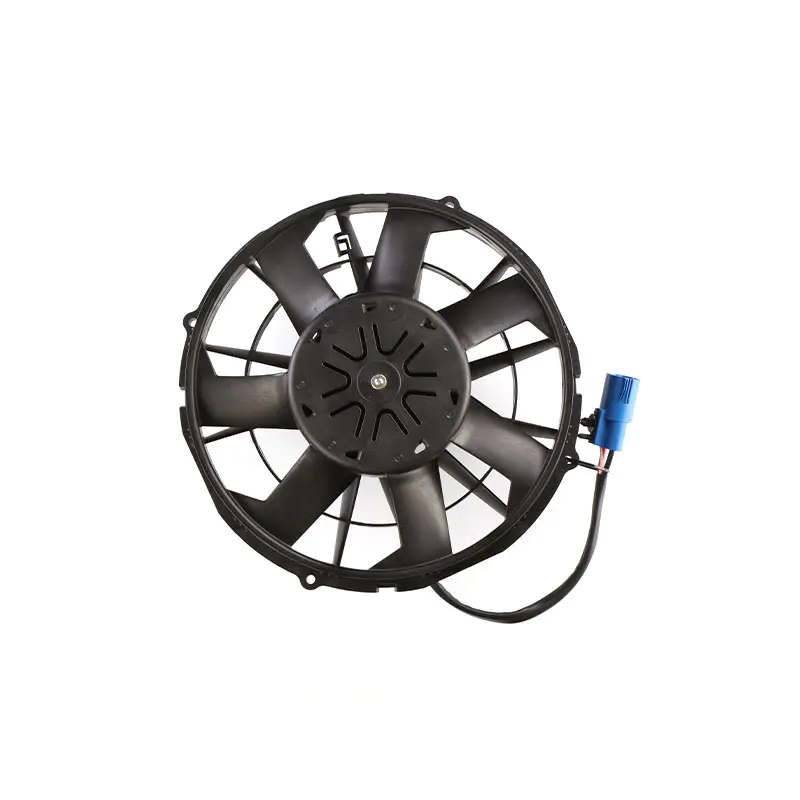
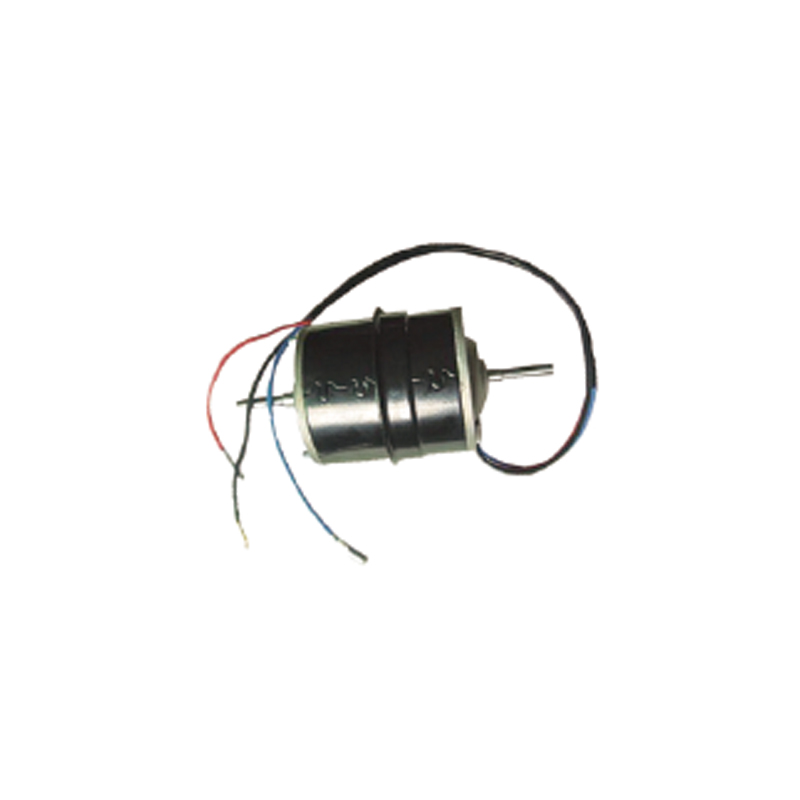
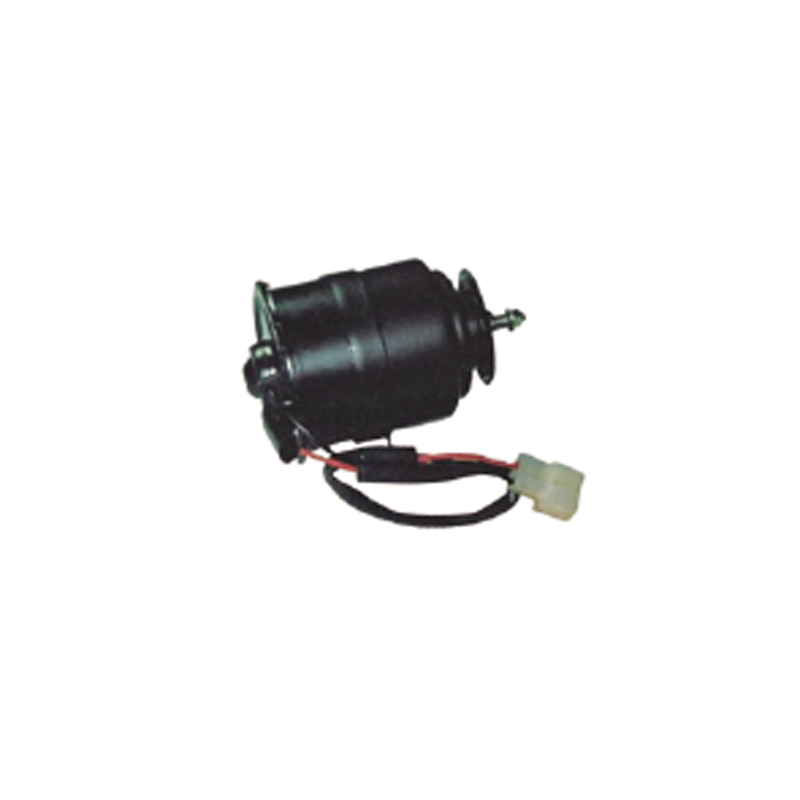
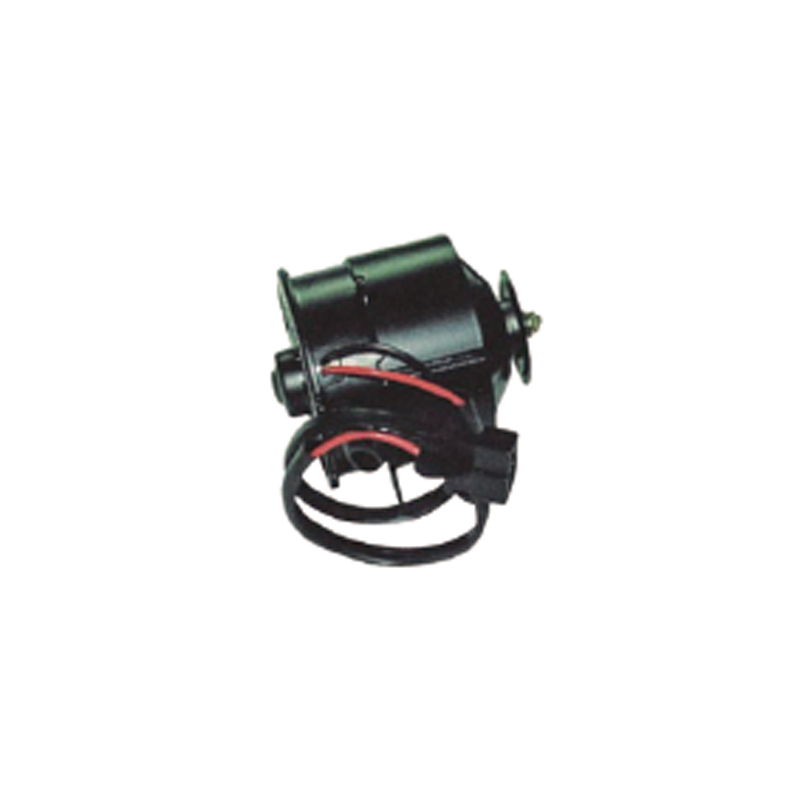
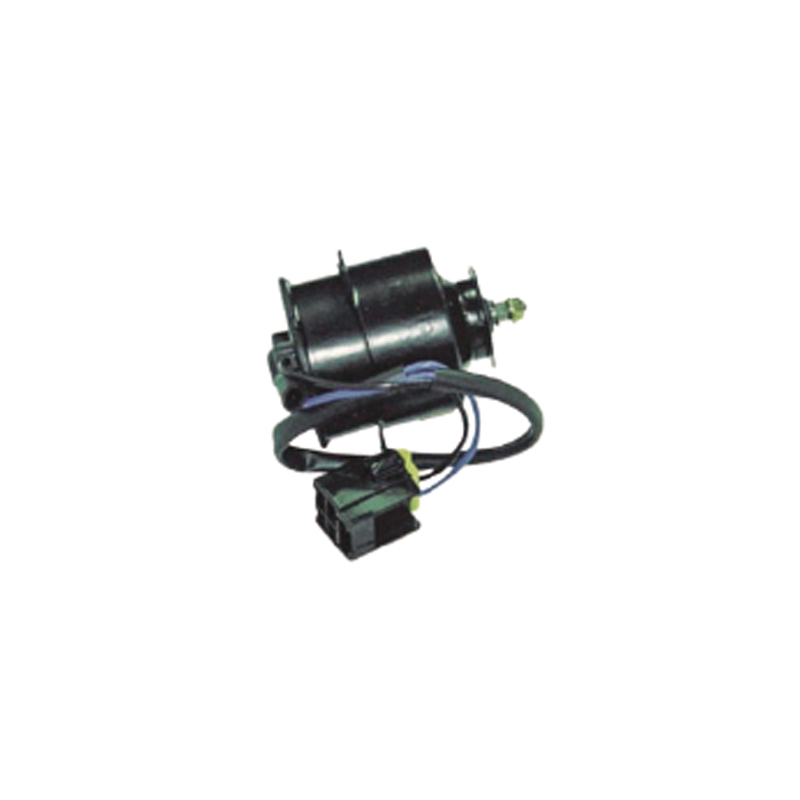
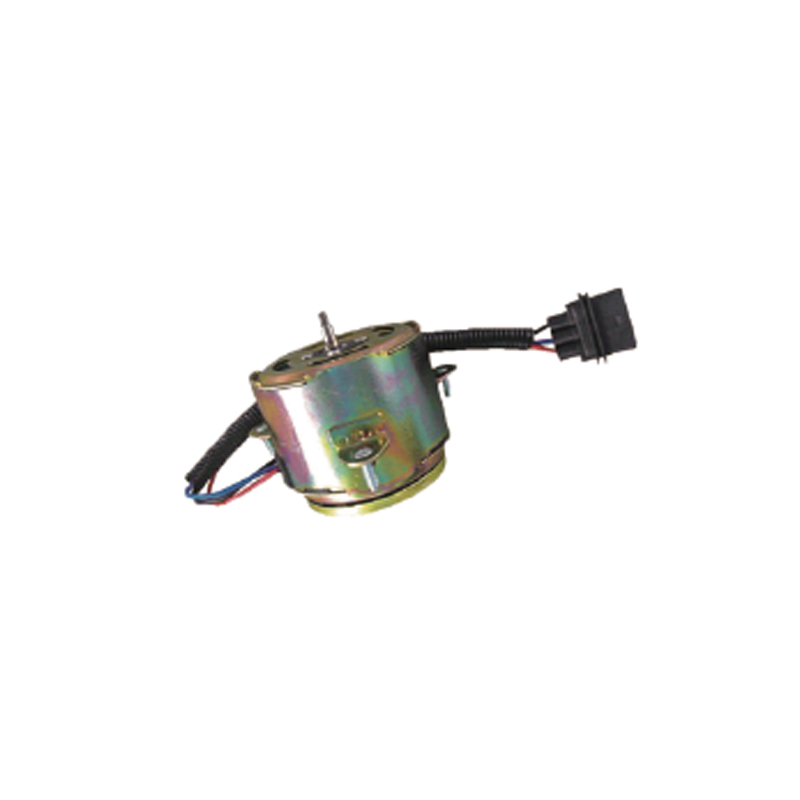
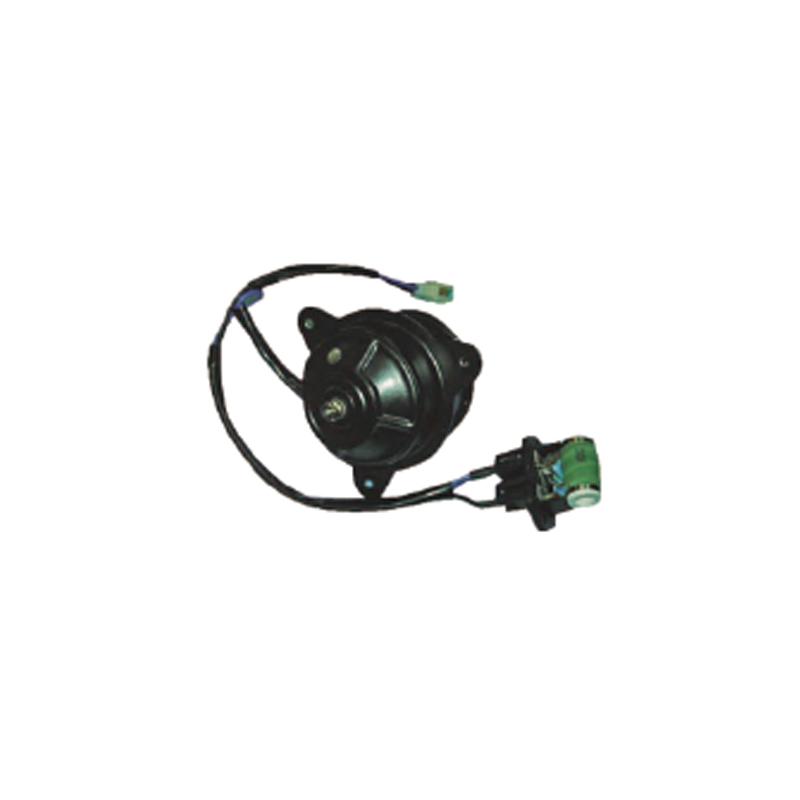
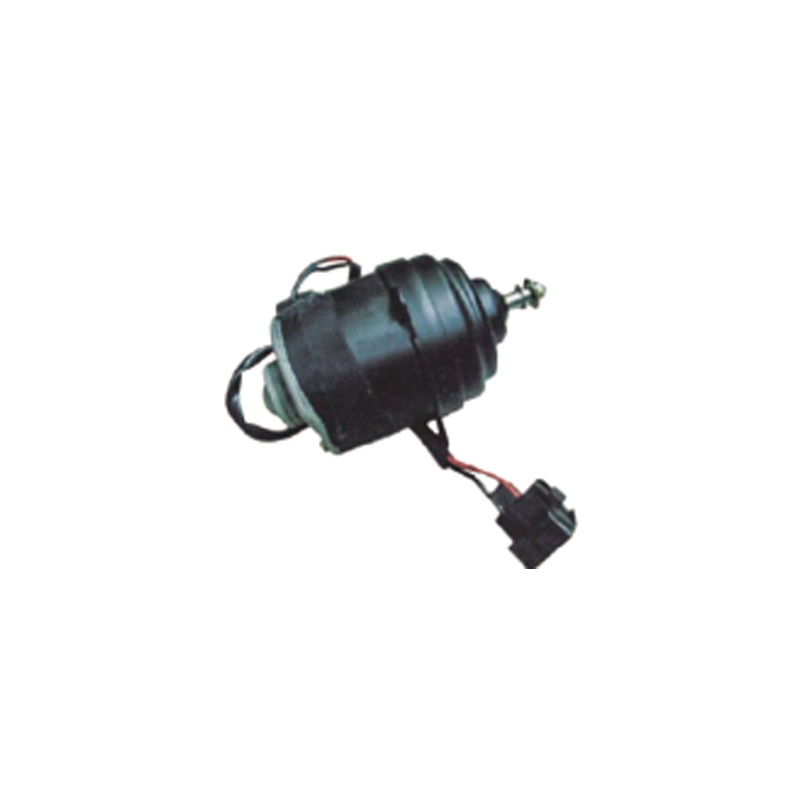
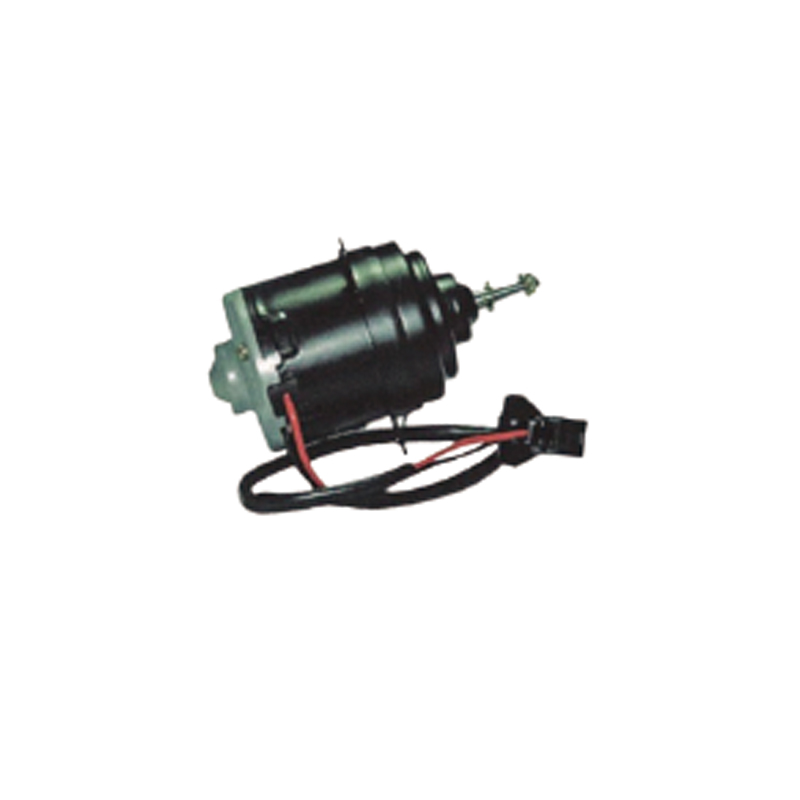
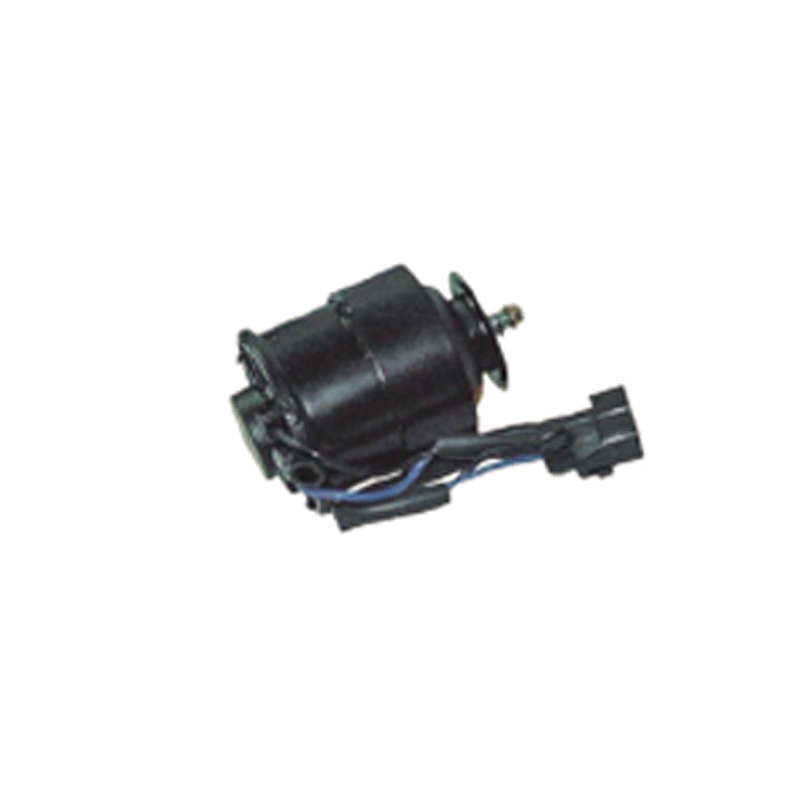
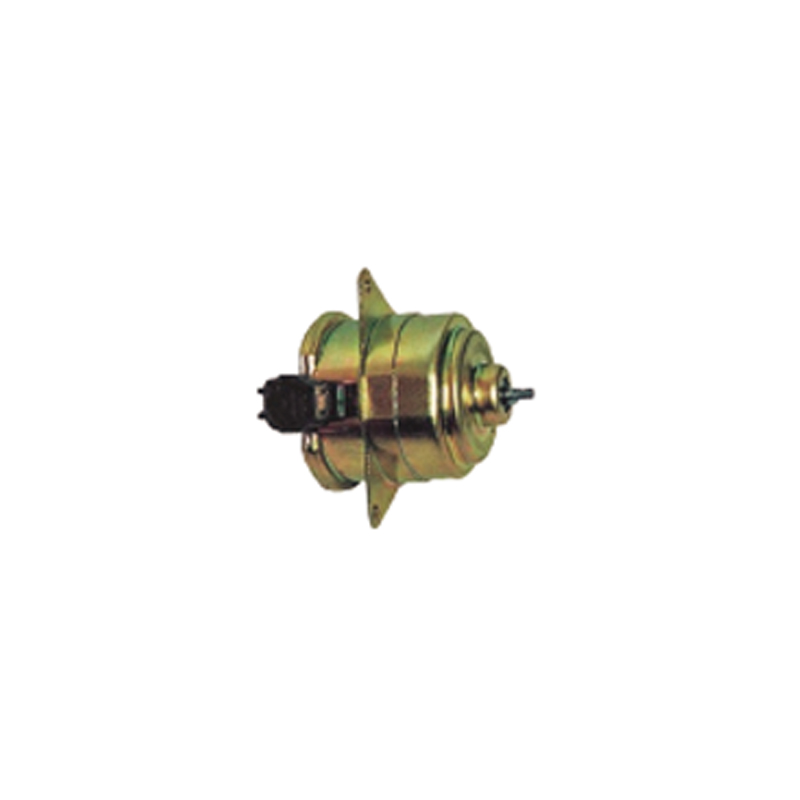
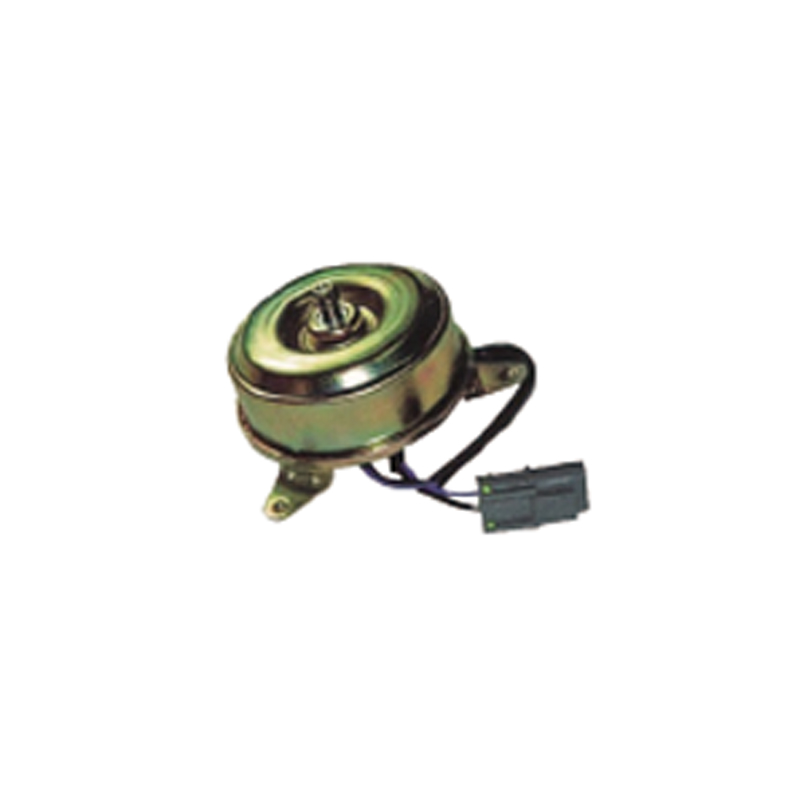
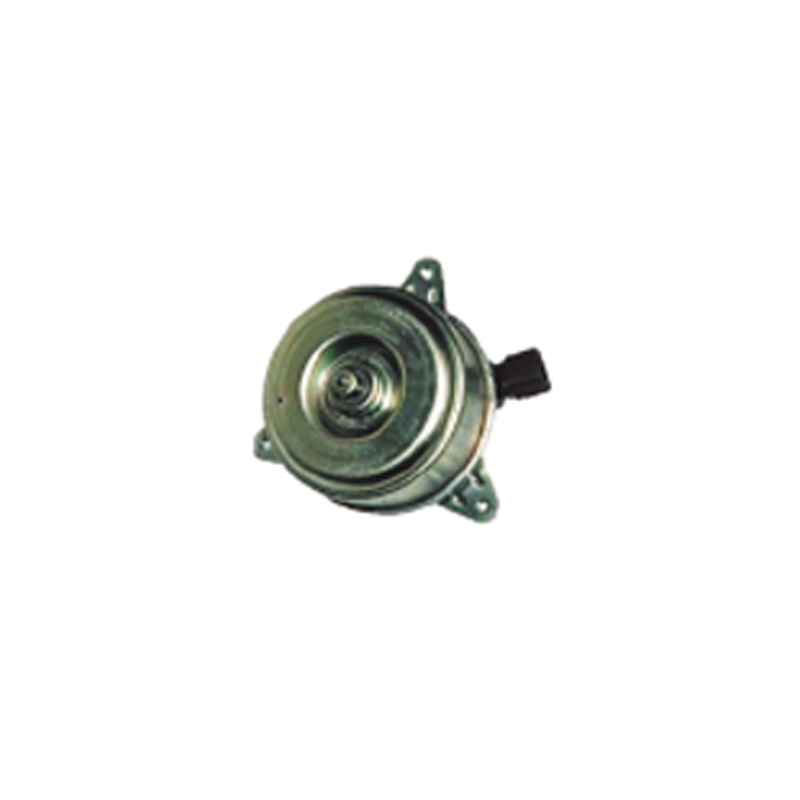
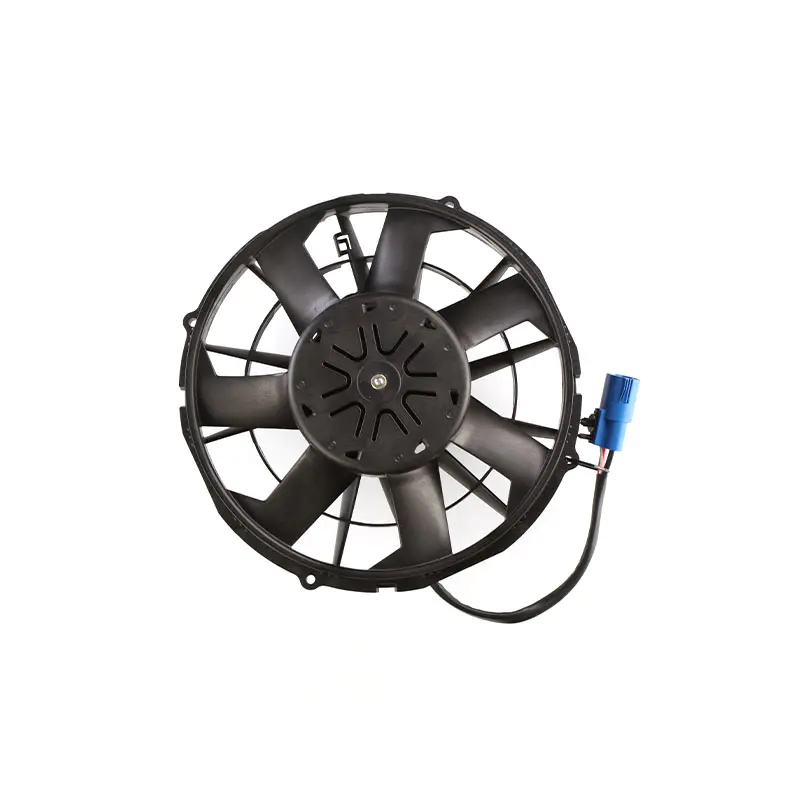
การเปลี่ยนแปลงไปสู่การใช้พลังงานไฟฟ้าและความหนาแน่นของพลังงานที่สูงขึ้นได้กำหนดนิยามใหม่ของการจัดการระบายความร้อน เครื่องยนต์สันดาปภายใน มอเตอร์ไฟฟ้า ชุดแบตเตอรี่ และอุปกรณ์อิเล็กทรอนิกส์กำลัง ล้วนสร้างความร้อนที่ต้องกระจายออกไปอย่างน่าเชื่อถือ พัดลมแกน DC สำหรับรถยนต์ ได้กลายเป็นโซลูชั่นหลักสำหรับการระบายความร้อนด้วยอากาศบังคับในสภาพแวดล้อมเหล่านี้ ต่างจากพัดลม AC รุ่นเก่า รุ่น DC ผสานรวมเข้ากับระบบไฟฟ้าของยานพาหนะได้อย่างราบรื่นและให้การควบคุมที่แม่นยำ
คู่มือนี้ให้ข้อมูลที่สามารถนำไปใช้ได้จริงแก่วิศวกรและผู้เชี่ยวชาญด้านการจัดซื้อ ตั้งแต่หลักการปฏิบัติงานขั้นพื้นฐานไปจนถึงรายการตรวจสอบทางเทคนิคก่อนการซื้อ เรามุ่งเน้นไปที่สถาปัตยกรรมไร้แปรงถ่าน DC (BLDC) ซึ่งครองความทันสมัย ระบายความร้อนรถยนต์ เนื่องจากมีความคงทนและมีประสิทธิภาพ
ข้อมูลเชิงลึกที่สำคัญ: พัดลมตามแนวแกน BLDC ทั่วไปทำงานที่ 25,000–40,000 ชั่วโมง เทียบกับ 3,000 ชั่วโมงสำหรับประเภทแปรงถ่าน ซึ่งเป็นการสร้างความแตกต่างที่สำคัญสำหรับการใช้งาน EV และงานหนัก
พัดลมตามแนวแกนจะเคลื่อนอากาศไปตามแกนของเพลาใบพัด อากาศเข้ามาขนานกับเพลาและออกในทิศทางเดียวกัน ทำให้พัดลมเหล่านี้เหมาะสำหรับการใช้งานที่มีการไหลสูงและแรงดันต่ำถึงปานกลาง เช่น การระบายความร้อนด้วยหม้อน้ำและ เครื่องปรับอากาศ
ระบบไฟฟ้าของยานพาหนะเป็นแบบ DC (12V หรือ 24V) การใช้ก พัดลมแกน DC แบบไร้แปรงถ่านสำหรับยานยนต์ การออกแบบช่วยลดความจำเป็นในการใช้อินเวอร์เตอร์ ลดน้ำหนัก และช่วยให้สามารถควบคุมความเร็ว PWM ได้โดยตรง มอเตอร์ BLDC ใช้การสับเปลี่ยนทางอิเล็กทรอนิกส์แทนแปรงเชิงกล ขจัดการสูญเสียแรงเสียดทานและความเสี่ยงในการเกิดประกายไฟ
สถาปัตยกรรมแบบไร้แปรงถ่านช่วยแก้ปัญหาโดยตรงของพัดลมแบบมีแปรงแบบดั้งเดิม: อายุการใช้งานสั้น เสียงรบกวน และการควบคุมความเร็วไม่ดี ด้านล่างเป็นการเปรียบเทียบโดยตรง
| ลักษณะเฉพาะ | มอเตอร์ขัดเงา | แกนกระแสตรงไร้แปรงถ่าน |
|---|---|---|
| อายุการใช้งาน (ชั่วโมง) | ~3,000 | 25,000–40,000 |
| ประสิทธิภาพ | พื้นฐาน | สูงขึ้นถึง 20% |
| ระดับเสียงรบกวน | สูงกว่า (แรงเสียดทานของแปรง) | ต่ำกว่า (การสับเปลี่ยนที่ราบรื่น) |
| การควบคุมความเร็ว | เปิด/ปิดหรือก้าว | PWM แบบไม่มีขั้นบันได |
| กระแสไหลเข้า | เข็มขนาดใหญ่ | สตาร์ทอย่างนุ่มนวลและได้รับการปกป้อง |
| มอเตอร์ size | เทอะทะ | กะทัดรัด |
การสับเปลี่ยนทางอิเล็กทรอนิกส์ในมอเตอร์ BLDC ช่วยให้สามารถใช้งานคุณลักษณะขั้นสูง เช่น พัดลมรถยนต์ควบคุม PWM ซึ่งปรับความเร็วเชิงเส้นโดยไม่มีความเครียดจากความร้อนของวิธีที่ใช้ตัวต้านทาน สิ่งนี้มีประโยชน์อย่างยิ่งสำหรับการระบายความร้อนของแบตเตอรี่ EV ซึ่งภาระความร้อนจะแปรผันแบบไดนามิก
การเลือกพัดลมที่เหมาะสมต้องมีการตรวจสอบขอบเขตการไหลเวียนของอากาศ ไฟฟ้า ความร้อน และเครื่องกลอย่างเป็นระบบ
ค่า CFM ขั้นต่ำขึ้นอยู่กับการกระจัดของเครื่องยนต์และภาระความร้อน สิ่งเหล่านี้คือเกณฑ์มาตรฐานทั่วไปสำหรับการระบายความร้อนด้วยอากาศบังคับด้วยหม้อน้ำที่สะอาด
ตรวจสอบเสมอว่าวัดระดับ CFM ในอากาศอิสระหรือติดตั้งแกนหม้อน้ำแล้ว ก พัดลมแกน CFM สูง ภายใต้สภาวะอากาศอิสระอาจลดลง 30–50% เมื่อโหลด
รถยนต์นั่งส่วนบุคคลใช้ระบบ 12V; รถเพื่อการพาณิชย์และอุปกรณ์นอกทางหลวงใช้ไฟ 24V ระยะการทำงานต้องครอบคลุมสภาวะชั่วคราวของยานพาหนะ สำหรับระบบ 24V ขอช่วงการทำงาน 16–32V เพื่อรองรับการกระเพื่อมของไดชาร์จและโหลดดัมพ์
อุณหภูมิแวดล้อมเป็นตัวกำหนดการเลือกใช้วัสดุและการหล่อลื่นตลับลูกปืน ชั้นเรียนทั่วไป:
ขอเส้นโค้งการลดพิกัดความร้อนจากซัพพลายเออร์เสมอ อ พัดลมแกนสำหรับระบายความร้อนด้วย EV ติดตั้งไว้ใกล้ก้อนแบตเตอรี่อาจเห็นอุณหภูมิโดยรอบ 75°C อย่างต่อเนื่อง ในขณะที่ตำแหน่งใต้กระโปรงรถมีอุณหภูมิเกิน 100°C
อายุการใช้งาน L10 คือเวลา (เป็นชั่วโมง) จนกระทั่ง 10% ของประชากรเกิดความล้มเหลวที่ RPM และอุณหภูมิที่กำหนด เปรียบเทียบข้อมูล L10 ที่จุดปฏิบัติงานเฉพาะของคุณ ไม่ใช่ที่อุณหภูมิห้องที่ระบุ
อ พัดลมแกน IP68 ด้วยระบบอิเล็กทรอนิกส์แบบปิดผนึกทำให้มั่นใจได้ถึงความน่าเชื่อถือในโคลน สเปรย์เกลือ และน้ำนิ่ง
ความอเนกประสงค์ของพัดลมตามแนวแกน DC แบบไร้แปรงถ่านครอบคลุมยานพาหนะและระบบหลายประเภท
ก่อนที่จะออกใบสั่งซื้อหรือขอตัวอย่าง ให้ตรวจสอบประเด็นสำคัญเหล่านี้กับซัพพลายเออร์ของคุณก่อน รายการนี้ช่วยลดความเสี่ยงของความล้มเหลวในการรวมระบบ
การใช้รายการตรวจสอบนี้ช่วยให้แน่ใจว่าพัดลมที่เลือกนั้นเข้ากันได้กับสภาพแวดล้อมของยานยนต์ในโลกแห่งความเป็นจริง มีความน่าเชื่อถือ ผู้จำหน่ายพัดลมแกน DC จะให้ข้อมูลเหล่านี้โดยไม่ลังเลใจ
พัดลมตามแนวแกนของยานยนต์ DC แบบไร้แปรงถ่านมีอายุการใช้งานยาวนาน ประสิทธิภาพ และความสามารถในการควบคุมที่เหนือกว่าเมื่อเทียบกับโซลูชันแบบมีแปรงถ่านหรือ AC แบบดั้งเดิม การนำไปใช้สนับสนุนความต้องการด้านความร้อนของระบบส่งกำลังไฟฟ้าและสมรรถนะสูงโดยตรง
เมื่อเลือกพัดลม ให้จัดลำดับความสำคัญของ CFM ที่ได้รับการยืนยันภายใต้ภาระ การลดพิกัดอุณหภูมิที่ได้รับการตรวจสอบ และอายุการใช้งานตลับลูกปืนที่พิสูจน์แล้ว ว่าจ้างซัพพลายเออร์ที่ให้การสนับสนุนด้านวิศวกรรมในช่วง NPI และสามารถรองรับอินเทอร์เฟซทางไฟฟ้าและเครื่องกลแบบกำหนดเองได้
สำหรับรายละเอียดขนาด คำขอตัวอย่าง หรือการกำหนดราคาตามปริมาณ โปรดติดต่อทีมขายด้านเทคนิคของเรา เราให้คำแนะนำเฉพาะแอปพลิเคชันและข้อมูลประสิทธิภาพที่จัดทำเป็นเอกสาร
ภายใต้สภาวะการทำงานปกติ (สภาพแวดล้อม 40°C–70°C สำหรับตลับลูกปืนเม็ดกลม) โดยทั่วไปอายุการใช้งานของ L10 จะอยู่ในช่วง 25,000 ถึง 40,000 ชั่วโมง ที่อุณหภูมิสูงขึ้น อายุการใช้งานจะลดลง โปรดปรึกษาเส้นโค้งการลดพิกัดจากผู้ผลิตเสมอ
รถยนต์โดยสารใช้ระบบ 12V; รถบรรทุกเพื่อการพาณิชย์ รถโดยสาร และอุปกรณ์ออฟโรดใช้ไฟ 24V เลือกตามสถาปัตยกรรมระบบไฟฟ้าของรถยนต์ของคุณ พัดลมแบบ dual-volt บางตัวมีอยู่ แต่จะมีน้อยกว่าและมักจะมีประสิทธิภาพน้อยกว่า
IP68 กันฝุ่นและป้องกันการจุ่มลงในน้ำลึกสูงสุด 1 เมตรเป็นเวลานาน IP6K9K เพิ่มการป้องกันการฉีดน้ำแรงดันสูงและอุณหภูมิสูง เหมาะสำหรับการล้างเครื่องจักรหนัก ทั้งสองอย่างนี้ใช้ในยานยนต์ แต่ IP6K9K นั้นเข้มงวดกว่า
ในทางเทคนิคแล้วใช่ แต่จะเพิ่มความซับซ้อน ต้นทุน และจุดความล้มเหลวที่อาจเกิดขึ้น จะมีประสิทธิภาพและเชื่อถือได้มากกว่าในการเลือกพัดลมที่ได้รับการจัดอันดับสำหรับแรงดันไฟฟ้าของระบบโดยเฉพาะ
การควบคุม PWM ช่วยให้สามารถปรับความเร็วได้แบบไม่มีขั้นตอน ลดเสียงรบกวนระหว่างโหลดบางส่วน และปรับปรุงประสิทธิภาพการใช้พลังงาน นอกจากนี้ยังช่วยลดความเครียดจากการหมุนเวียนความร้อนบนขดลวดมอเตอร์ ซึ่งช่วยยืดอายุการใช้งาน
ที่อยู่อีเมลของคุณจะไม่ถูกเผยแพร่ ช่องที่ต้องกรอกถูกทำเครื่องหมายไว้ -

Zhejiang Nicety Electric Machinery Co., Ltd. เชี่ยวชาญการผลิตผลิตภัณฑ์ 4 ชุด ได้แก่ พัดลมอิเล็กทรอนิกส์คอนเดนเซอร์ พัดลมหม้อน้ำ (ถังเก็บน้ำ) โบลเวอร์ และชุดประกอบเครื่องปรับอากาศ การผลิตระดับมืออาชีพพัดลมแกน DC สำหรับยานยนต์แบรนด์อเมริกา ยุโรป ญี่ปุ่น เกาหลี และในประเทศ
Email: [email protected] / ลิลลี่@zjnem.com
Tel: +86-0578-7125439 / +86 181 0658 9231
Address:เลขที่ 98 ถนน Guangda เขตอุตสาหกรรม Jinsha เมืองหลงฉวน มณฑลเจ้อเจียง ประเทศจีน